Mental Health and Addiction Recovery: A Personal Story
Sheri’s story shows how treatment, mental health support, family healing, and recovery helped her move from addiction and shame into stability and purpose.
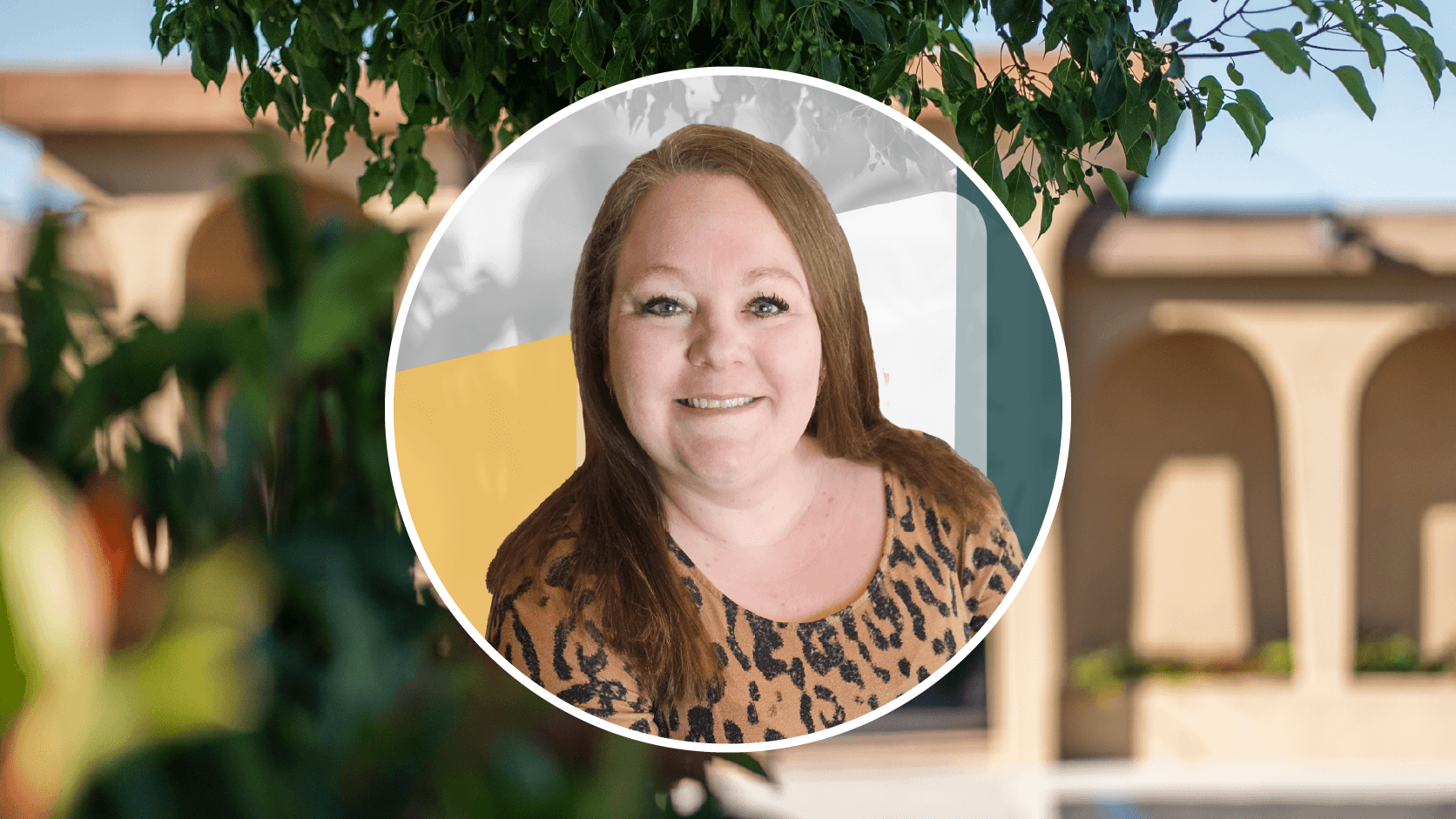
An Eye-Opening Recovery Experience
“Cedar House opened my eyes to see that it’s okay to need help; it’s okay to be bipolar; and it’s okay to grow through things.”
For Sheri, recovery meant more than stopping substance use. It meant learning how to ask for help, accept mental health support, heal from trauma, and stop carrying shame that was never hers to carry.
Her story includes childhood trauma, addiction, bipolar disorder, abuse, jail, treatment, family healing, and the long-term work of staying well.
It is also a story about hope.
Childhood Trauma and Early Pain
Sheri came into the world under extremely difficult circumstances.
She was born in a hotel room to parents who were struggling with addiction. As an infant, her mother injected her with heroin to quiet her, which contributed to lifelong physical and mental health challenges.
But Sheri was strong.
At age five, she was adopted by loving parents who worked as LA County police officers. They cared for her deeply and did the best they knew how to support her.
Even with their love, Sheri carried pain from the earliest years of her life. That pain would later shape her struggle with drugs, alcohol, mental health, loneliness, and shame.
Wanting to Experiment and Escape
As a teenager, Sheri felt a strong urge to use drugs and alcohol.
She wanted to experiment, explore, and live without limits. Looking back, she said:
“I was just wild!”
At age 16, Sheri was diagnosed with bipolar disorder, but she did not begin treatment until she was 22.
Without the right support, her mental health symptoms, trauma, and substance use became harder to manage.
Abuse, Miscarriages, and Feeling Alone
When Sheri was 18, she married her first husband, who was 35.
During the first few years of marriage, she suffered through four miscarriages and abuse from her husband. She felt deeply isolated and overwhelmed.
She said:
“I just felt so alone. I wanted to try and get sober.”
Sheri was also carrying shame from years of sexual abuse. Addiction became part of how she tried to cope with fear, loneliness, trauma, and emotional pain.
Eventually, she was arrested during that period of struggle.
Finding Help Through the STAR Program
After completing time in jail, Sheri entered Cedar House for three months through the STAR program.
For her, it was the right fit.
She said:
“The staff at Cedar House opened up my eyes. You guys helped me so much.”
At Cedar House, Sheri connected with her case manager Salena’s personal story and felt that she could learn from someone who understood.
She said:
“Someone was finally going to help me get my mental health right.”
That mattered deeply.
Sheri did not only need support for addiction. She needed help understanding and caring for her mental health.
Feeling Safe Enough to Open Up
At Cedar House, Sheri was introduced to the 12-step program and began learning that asking for help was not weakness.
She said:
“The atmosphere was warm, comfortable, and it felt safe to open up.”
For someone who had carried trauma, shame, abuse, and mental health challenges, safety was essential.
Treatment helped Sheri begin talking honestly about what she had been through and what she needed to stay well.
Helping Her Family Understand
Cedar House also supported Sheri’s parents.
Her parents had been angry and confused about what she was going through. Like many families, they needed help understanding addiction, mental health, and how to support recovery without losing hope.
Sheri remembered that Cedar House staff helped them shift their perspective.
She said they learned:
“It’s okay. Let’s pick ourselves up. We can do this together.”
That family healing became part of Sheri’s recovery.
Building Sobriety and Stability
Sheri’s last use was December 23, 2012.
After treatment, she worked the program, got a sponsor, remarried, and had a son.
When cravings or thoughts of using come up, she reminds herself to “play the tape all the way through.” She thinks about the consequences she does not want to return to.
She said:
“I tell myself that I don’t want to go to jail, and I don’t want to be like my birth mother.”
That honest reminder helps her stay grounded in the life she wants to protect.
Continuing Mental Health Care
Sheri continues to take her recovery and mental health seriously.
Today, she goes to therapy once a week, takes the right medication for her condition, and remains grateful for the program at Cedar House.
Recovery helped Sheri understand that managing mental health is part of staying well.
For her, accepting help, taking medication as prescribed, attending therapy, and staying connected to recovery support are all part of building a healthier life.
Giving Back to Others
Sheri loves to give back.
She regularly donates clothes to Cedar House and Maple House because she wants to support others who are starting their own recovery journey.
She said:
“If I wasn’t sober, I wouldn’t be alive. I’m so grateful for my family, the STAR program, and Cedar House. I just want to give back.”
The STAR program also helped Sheri find sober living after treatment. Once she got on her feet, she found employment with Amazon as a packer and worked her way up into the human resources department.
Letting Go of Shame
Cedar House helped Sheri build the foundation for her life in recovery.
She said:
“I don’t feel shameful anymore. I feel safe to open up. I was there to work the program and take care of myself. Now, I just try to stay a good human — to always be as kind as possible to anyone I meet. They might be going through it.”
That is the heart of Sheri’s story.
Recovery helped her stop seeing herself through shame and start seeing herself as someone worthy of care, healing, family, stability, and purpose.
Recovery Can Support Mental Health Healing
Sheri’s story shows why addiction treatment and mental health support often need to work together.
When someone is living with addiction, trauma, bipolar disorder, abuse, or shame, recovery must address the whole person. Treatment is not only about stopping substance use. It is about helping someone feel safe enough to heal, ask for help, and build a life they can protect.
If you or someone you love is struggling with addiction, trauma, mental health challenges, or substance use, Cedar House can help you understand your options and take the next step.
Call 840-900-1004 to speak with someone about treatment and recovery support.

Frequently Asked Questions
How are mental health and addiction connected?
Mental health and addiction are often connected because some people use drugs or alcohol to cope with trauma, anxiety, depression, bipolar symptoms, loneliness, or emotional pain. Over time, substance use can make mental health symptoms worse.
Can addiction treatment help someone with bipolar disorder?
Addiction treatment can support someone with bipolar disorder when care includes mental health support, therapy, medication management from qualified providers, relapse prevention, and ongoing recovery planning.
Why is it important to treat addiction and mental health together?
Treating both together helps clients address the full picture. If addiction is treated without mental health support, symptoms like mood swings, anxiety, trauma responses, or depression may increase relapse risk.
Can families learn how to support someone in recovery?
Yes. Family education and support can help loved ones better understand addiction, mental health, boundaries, communication, and how to support recovery in healthier ways.
What is the STAR program?
The STAR program, or Supervised Treatment After Release, can help connect people with treatment and support after incarceration or court involvement. For some individuals, it can become an important bridge into recovery.
Does Cedar House support co-occurring disorders?
Yes. Cedar House supports individuals with substance use disorders and co-occurring mental health needs through treatment, counseling, recovery planning, and continued support.
Recovery Resources & Stories