Homelessness and Addiction: Breaking the Cycle
Homelessness and addiction are often connected, and recovery is stronger when people receive treatment, stability, housing support, and compassionate care.
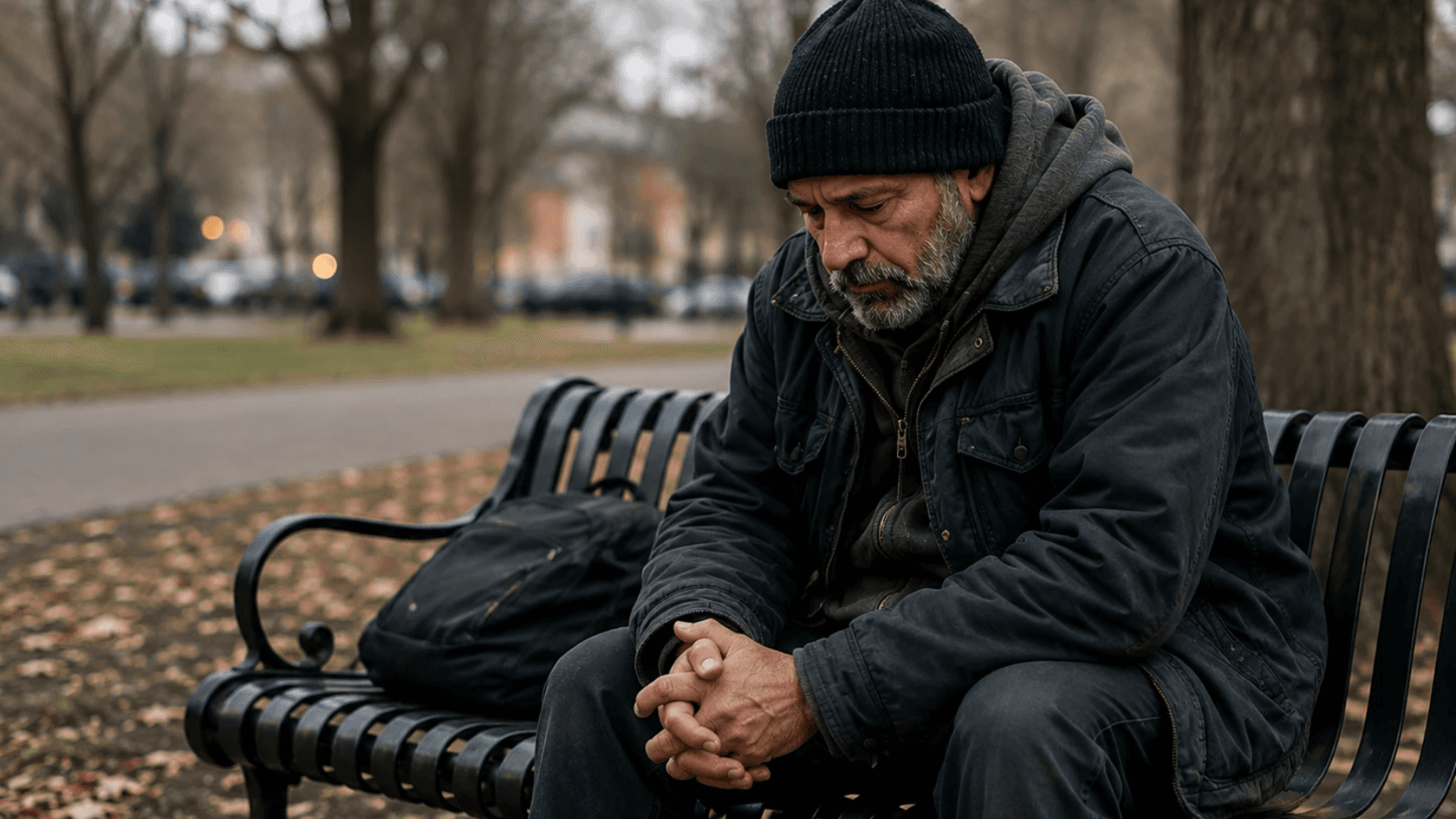
Why Homelessness Awareness Matters
November is Homelessness Awareness Month, a time to recognize one of the most urgent issues affecting communities across California and the Inland Empire.
Every day, individuals and families experience homelessness or unstable housing while also facing substance use, mental health challenges, trauma, poverty, family separation, or limited access to care.
Homelessness is not simply the absence of housing. It can affect a person’s safety, physical health, mental health, relationships, employment, and ability to recover from addiction.
At Cedar House Life Change Center, we believe recovery and stability begin with compassion, connection, and comprehensive care.
The Link Between Homelessness and Addiction
Homelessness and addiction are often connected, but the relationship is not always simple.
For some people, substance use contributes to job loss, family conflict, financial instability, or housing loss. For others, homelessness comes first, and substances become a way to cope with fear, trauma, hunger, untreated pain, loneliness, or the stress of surviving without a safe place to sleep.
In many cases, both challenges feed each other.
Without stable housing, it becomes harder to attend appointments, take medications consistently, sleep safely, maintain hygiene, store belongings, apply for work, care for children, or stay connected to treatment.
Without treatment and recovery support, it can become harder to rebuild stability and move toward housing.
That is why recovery must address more than substance use alone.
Why Recovery Is Harder Without Stable Housing
Addiction recovery requires structure, safety, and support. Homelessness can make each of those harder to access.
Someone experiencing homelessness may be focused on immediate survival:
Where will I sleep tonight?
How will I stay safe?
Where can I shower?
How do I get food?
Where can I store my belongings?
How do I make it to treatment or appointments?
What happens if I am sick or in withdrawal?
These daily stressors can make long-term recovery feel impossible.
When a person does not have stable housing, even small recovery steps can become more difficult. This is why treatment, case management, and housing referrals are so important. People need support that recognizes the full reality of their lives.
Mental Health, Trauma, and Homelessness
Many people experiencing homelessness also live with trauma, depression, anxiety, PTSD, grief, or other mental health challenges.
Homelessness itself can be traumatic. Living without shelter can expose people to violence, instability, illness, isolation, and ongoing fear. For people who already have a history of trauma, homelessness can make symptoms worse.
Substance use may become a way to cope with that pain. But over time, drugs or alcohol can deepen the cycle and create more barriers to safety, health, and housing.
Treating addiction without addressing mental health, trauma, and housing instability may leave people without the full support they need to recover.
Whole-person care matters because people are not just their symptoms. They are human beings with histories, needs, strengths, and futures worth protecting.
How Cedar House Supports Stability and Recovery
For more than five decades, Cedar House has provided a safe haven for people seeking to overcome addiction and rebuild their lives.
Many of the people Cedar House serves come to treatment after experiencing homelessness, unstable housing, or deep uncertainty about what comes next. These circumstances can make recovery more difficult, but they do not make recovery impossible.
Cedar House supports individuals through evidence-based treatment programs, sober housing resources, and a continuum of care designed to help people build structure, self-worth, and long-term stability.
Services may include:
Withdrawal management
Residential treatment
Outpatient treatment
Mental health counseling
Case management
Recovery planning
Sober living support
Referrals to permanent housing
Family and community connection
Continued recovery support
This kind of care helps people move from crisis toward stability one step at a time.
Case Management and Housing Referrals
Recovery often requires practical support.
A person may need help getting identification documents, applying for benefits, reconnecting with family, finding medical care, preparing for employment, or navigating housing resources.
Case management helps connect the pieces.
At Cedar House, case management can support clients as they identify needs, set goals, and plan for life beyond treatment. When housing is part of the need, referrals to sober living, transitional housing, or permanent housing resources can help reduce gaps in care.
Housing support is not separate from recovery. For many people, it is part of recovery.
A safe place to live can make it easier to stay sober, attend appointments, rebuild relationships, return to work, and begin feeling human again.
Reducing Stigma Around Homelessness and Addiction
Stigma keeps people from asking for help.
Too often, homelessness and addiction are treated as personal failures instead of complex health and social issues. This kind of judgment ignores the reality of trauma, poverty, mental illness, family breakdown, domestic violence, job loss, medical problems, and untreated substance use disorders.
People do not recover through shame.
They recover through safety, support, accountability, treatment, and connection.
Reducing stigma means choosing compassion without ignoring responsibility. It means seeing the person beneath the crisis and believing that healing is possible.
How the Community Can Help
Homelessness Awareness Month is also a call to action.
Communities can help by supporting organizations that provide treatment, housing resources, outreach, case management, food, clothing, behavioral health care, and recovery support.
You can make a difference by:
Donating to trusted local organizations
Volunteering your time
Sharing accurate information
Supporting treatment and housing programs
Reducing stigma in everyday conversations
Encouraging loved ones to seek help
Learning about addiction and mental health
Supporting policies and services that improve access to care
Every act of compassion matters.
No single person can solve homelessness alone, but communities can build stronger pathways from crisis to recovery.
Healing Happens One Person at a Time
At Cedar House, we know healing happens one person and one home at a time.
Recovery is not only about stopping substance use. It is about helping people rebuild safety, trust, health, relationships, purpose, and a sense of belonging.
For someone experiencing homelessness and addiction, the first step may feel impossible. But with the right support, treatment can become the bridge from crisis to stability.
If you or someone you love is struggling with addiction, homelessness, or unstable housing, Cedar House can help you understand your options and take the next step.
Call 840-900-1004 to speak with someone about available treatment and recovery support.

Frequently Asked Questions
How are homelessness and addiction connected?
Homelessness and addiction can influence each other. Substance use may contribute to housing loss, while homelessness can increase stress, trauma, and exposure to substance use. Many people need support for both recovery and housing stability.
Can someone recover from addiction while experiencing homelessness?
Yes, recovery is possible, but homelessness can make it harder. Treatment, case management, housing referrals, sober living, mental health care, and community support can help create the stability needed for long-term recovery.
Why is housing important in addiction recovery?
Housing provides safety, structure, and consistency. A stable place to live can help people attend treatment, sleep safely, maintain routines, manage health needs, rebuild relationships, and avoid environments that may trigger relapse.
What kind of support helps people facing homelessness and addiction?
Helpful support may include withdrawal management, residential treatment, outpatient care, mental health counseling, case management, sober living, housing referrals, benefits support, employment support, and recovery groups.
How can communities reduce stigma around homelessness and addiction?
Communities can reduce stigma by using compassionate language, learning about trauma and substance use disorders, supporting treatment and housing services, and recognizing that people need care, accountability, and opportunity rather than judgment.
Does Cedar House help people experiencing homelessness?
Yes. Cedar House supports many individuals who have experienced homelessness or unstable housing through addiction treatment, case management, sober housing resources, housing referrals, and recovery planning.
Recovery Resources & Stories